

Hey there! As a supplier of Operator Trowels, I often get asked about safety precautions when using these tools. So, I thought I'd put together this blog post to share some insights and tips.

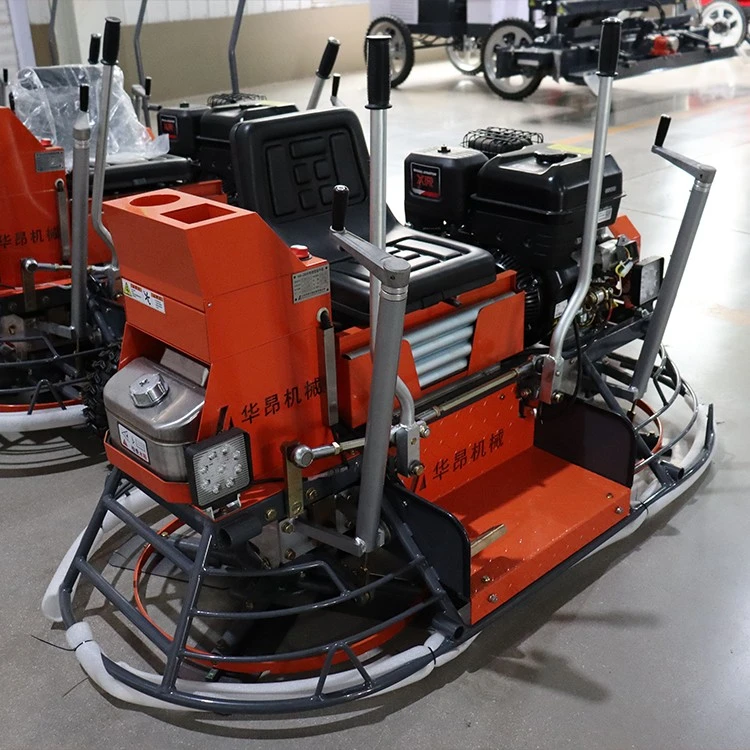
First off, let's talk about what an Operator Trowel is. An Operator Trowel is a powerful machine used in construction and concrete finishing. It helps to smooth and level concrete surfaces, making the job faster and more efficient. But like any powerful tool, it comes with its own set of risks, and it's crucial to take proper safety measures.
Personal Protective Equipment (PPE)
One of the most important safety precautions is wearing the right personal protective equipment. This includes:
- Safety Glasses: Concrete dust can be extremely harmful to your eyes. Safety glasses with side shields will protect your eyes from flying debris and dust particles. Make sure they fit well and are in good condition.
- Hearing Protection: Operator Trowels can be quite noisy. Prolonged exposure to high noise levels can cause hearing damage. Earplugs or earmuffs are a must to reduce the risk of hearing loss.
- Gloves: Good quality gloves will protect your hands from blisters, cuts, and abrasions. They also provide a better grip on the trowel, reducing the chance of it slipping out of your hands.
- Steel-Toed Boots: These boots protect your feet from heavy objects that might accidentally fall on them. They also provide stability and support while you're operating the trowel.
- Dust Mask: Inhaling concrete dust can lead to serious respiratory problems. A dust mask rated for construction work will filter out the harmful particles and keep your lungs safe.
Pre-Operation Checks
Before you start using the Operator Trowel, it's essential to perform a thorough pre-operation check. Here's what you should look for:
- Inspect the Trowel: Check for any visible damage to the blades, handles, or engine. Look for cracks, loose parts, or signs of wear and tear. If you notice any issues, don't use the trowel until it's been repaired.
- Check the Fuel and Oil Levels: Make sure there's enough fuel in the tank and that the oil level is within the recommended range. Running the trowel with low oil can cause engine damage.
- Test the Controls: Ensure that all the controls, such as the throttle and the steering, are working properly. If any of the controls are stiff or unresponsive, have them checked by a professional.
- Verify the Blade Sharpness: Dull blades can make the trowel less effective and increase the risk of accidents. Replace the blades if they're worn out or damaged.
Operating the Trowel
When you're operating the Operator Trowel, there are several safety guidelines you should follow:
- Read the Manual: This might seem obvious, but many people skip this step. The manufacturer's manual contains important information about the proper operation, maintenance, and safety precautions for the trowel. Make sure you read it thoroughly before using the tool.
- Maintain a Stable Position: Stand with your feet shoulder-width apart and keep your body balanced. This will help you maintain control of the trowel and prevent falls.
- Avoid Overreaching: Don't try to reach areas that are too far away. Instead, move the trowel to the desired location. Overreaching can cause you to lose your balance and increase the risk of accidents.
- Keep a Safe Distance from Others: Make sure there's enough space around you when you're operating the trowel. Keep bystanders at a safe distance to avoid any potential injuries.
- Use the Trowel on a Flat Surface: Operating the trowel on an uneven or sloped surface can be dangerous. It can cause the trowel to tip over or lose control. If you need to work on a sloped surface, use a Horizontal Trowel designed for that purpose.
Maintenance and Storage
Proper maintenance and storage of the Operator Trowel are also important for safety. Here are some tips:
- Clean the Trowel Regularly: After each use, clean the trowel to remove any concrete residue. This will prevent the buildup of dirt and debris, which can affect the performance of the trowel.
- Store the Trowel in a Safe Place: Keep the trowel in a dry, secure location when it's not in use. This will protect it from damage and prevent unauthorized use.
- Follow the Maintenance Schedule: Regular maintenance, such as oil changes and blade replacements, will keep the trowel in good working condition. Follow the manufacturer's recommended maintenance schedule to ensure the safety and longevity of the tool.
Training and Experience
Finally, it's important to have the right training and experience before operating an Operator Trowel. If you're new to using these tools, consider taking a training course. A professional training program will teach you the proper techniques, safety procedures, and maintenance requirements for the trowel.
In conclusion, using an Operator Trowel can be safe as long as you take the necessary precautions. By wearing the right PPE, performing pre-operation checks, following the operating guidelines, and maintaining the tool properly, you can minimize the risk of accidents and injuries.
If you're in the market for an Operator Trowel or have any questions about safety or operation, feel free to reach out. We're here to help you make the right choice and ensure that you can use our products safely and effectively. Let's get in touch to discuss your specific needs and start a great business relationship!
References
- Manufacturer's manuals for Operator Trowels
- Occupational Safety and Health Administration (OSHA) guidelines for construction equipment safety