


Trowels
Shandong Huaang Engineering Equipment Co., Ltd.: Your Professional Trowels Manufacturer!
Shandong Huaang Engineering Equipment Co., Ltd. was established in 2017, the company is mainly engaged in a series of products such as dry concrete shake topping spreader, road machinery, construction machinery, agricultural machinery, etc., and is a High-Tech enterprise integrating R&D, production, sales, after-sales and service.


Why choose us?
Advanced equipment
By the end of 2023, the company is equipped with various production lines such as 2-wheel, 4-wheel, telescopic arm laser leveling machine, with a total production capacity of up to 1,000 units.
Quality control
With years of accumulation and multiple differentiated advantages, Huaang brand has passed the ISO9001 quality management system, European standard safety CE certification, etc.
Professional team
The company has a professional R&D team and more than 100 senior technicians. The company has won the honors of advanced enterprise, leapfrog development enterprise, young entrepreneur cash unit and so on.
Sales market
We have established cooperation with several brand-new platform and expanded our market to south-east Asia like Malysia, Philippine, Singapore, Thailand, Vietnam etc.
Advantages of Trowels
Improve efficiency
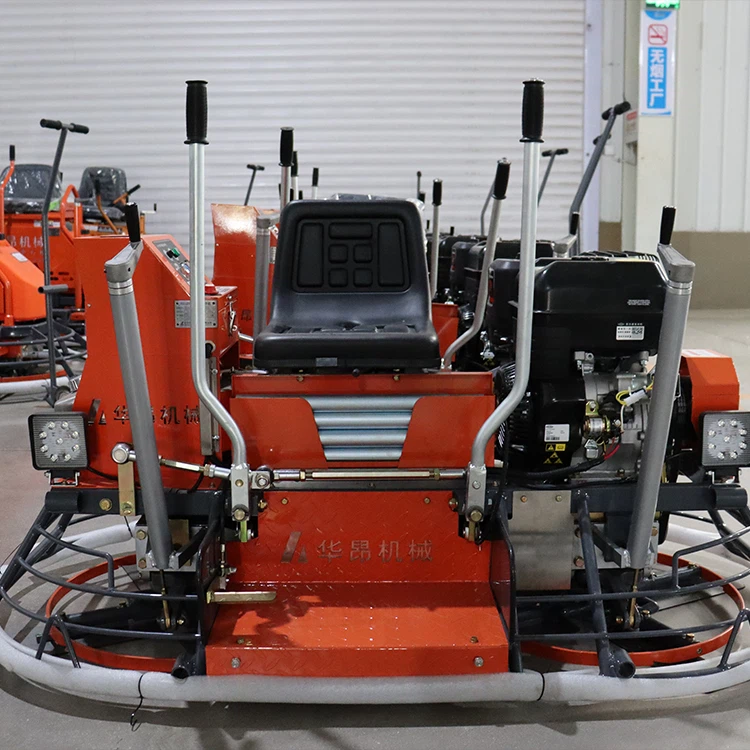
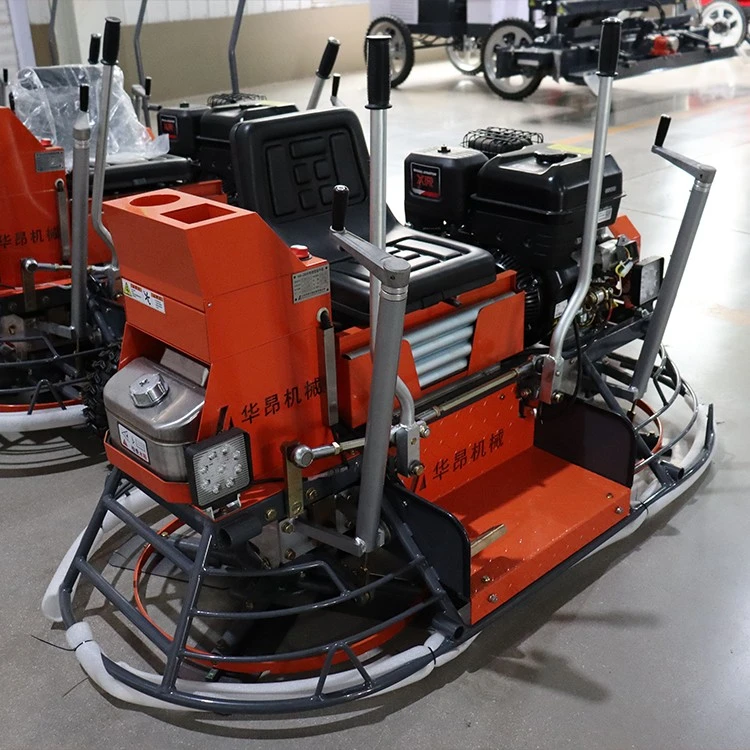
The concrete trowel machine uses advanced troweling technology and can quickly and accurately trowel large areas of concrete surfaces. Compared with the traditional manual troweling method, the concrete troweling machine has higher working efficiency, which can greatly shorten the time of troweling operation and improve the progress of the project.
Stable quality
When the concrete troweling machine performs troweling operations, it can ensure the flatness and smoothness of the concrete surface, making the project quality more stable. At the same time, because the troweling machine has functions such as slurry lifting, compaction, smoothing, and troweling, it can avoid errors in manual operations and improve the stability of project quality.
Save manpower
The use of compacted soil troweling machine can save a lot of human resources. The traditional manual troweling method requires a large number of personnel to operate, but the use of concrete troweling machine can reduce the number of personnel and reduce labor costs.
Strong adaptability
The concrete trowel machine has strong adaptability and can be adapted to troweling operations in various situations. Whether it is construction sites, municipal roads, factory warehouses, park roads, residential streets, etc., or high-standard factories, warehouses, parking lots, squares, airports and other tall buildings, concrete trowels can be used for construction.
Types of Trowels


Pointing trowel
The pointing trowel is often the first tool that comes to mind when thinking of trowels. It features a narrow, pointed blade that is ideal for filling in joints and cracks in masonry. Its design allows for precision in tight spaces, making it an invaluable tool for bricklayers and masons. When working with mortar or grout, a pointing trowel helps achieve a clean finish, offering control that larger trowels simply cannot provide.
Margin trowel
A margin trowel is similar to a pointing trowel but is larger and has a straight edge. It is primarily used for scraping, cutting, and spreading mortar in tight spaces. The flat blade makes it excellent for smoothing surfaces and cleaning up excess material. If your project involves intricate work or requires you to get into corners, a margin trowel is a reliable companion.
Brick trowel
The brick trowel is arguably the most recognized type. It has a wide, triangular blade and is used mainly for laying bricks and blocks. The design allows for easy scooping of mortar, which can then be applied to bricks or stones. For anyone working on a masonry project, investing in a quality brick trowel can greatly enhance your efficiency and the quality of your work.
Plastering trowel
Plastering trowels are wider than brick trowels and have a rounded edge. They are specifically designed for applying and smoothing plaster on walls and ceilings. The larger surface area enables smoother application and a more even finish, which is essential for achieving that professional look in plastered surfaces. If you’re working on drywall or plaster projects, this is your go-to tool.
Tile trowel
Tile trowels come in various sizes and notch patterns, allowing for the proper application of adhesive when laying tiles. The notches create ridges that help secure the tiles in place. The choice of notch size depends on the type of tile and the adhesive being used. Understanding the right trowel for your tile project can prevent costly mistakes and ensure a secure bond.
Garden trowel
While not used in masonry or plastering, the garden trowel is worth mentioning. It is a small hand tool used for digging, planting, and transferring soil or plants. If your project involves landscaping or gardening, investing in a sturdy garden trowel can make your tasks easier and more efficient.
Packaging & Shipping

Certifications


Shandong Huaang Engineering Equipment Co.,Ltd is well-known as one of the leading trowels manufacturers and suppliers in China. If you're going to buy discount trowels made in China, welcome to get quotation from our factory. For price consultation, contact us.
Operator Trowel, Horizontal Trowel, trowels