

Can trowels be used for removing old paint? This is a question that many DIY enthusiasts and professional painters often ask. As a trowel supplier, I've had numerous discussions with customers about the various applications of trowels, and paint removal is one that comes up quite frequently. In this blog post, I'll delve into the viability of using trowels for removing old paint, explore the types of trowels that might be suitable, and provide some tips for effective paint removal.
Understanding the Basics of Paint Removal
Before we assess whether trowels can be used for paint removal, it's essential to understand the nature of old paint and the challenges associated with its removal. Over time, paint adheres to surfaces through a combination of mechanical bonding and chemical reactions. The longer the paint has been on a surface, the more firmly it tends to bond, especially if it has been exposed to multiple layers of subsequent paint applications or environmental factors such as humidity and temperature fluctuations.
Traditional methods of paint removal include using chemical strippers, heat guns, and sanding. Chemical strippers work by breaking down the chemical bonds in the paint, making it easier to scrape off. Heat guns soften the paint, allowing it to be scraped away. Sanding, on the other hand, physically abrades the paint layer by layer. Each method has its own advantages and disadvantages, and the choice often depends on the type of surface, the amount of paint to be removed, and the desired level of finish.
Can Trowels Be Used for Paint Removal?
The short answer is yes, trowels can be used for removing old paint, but with some limitations. Trowels are primarily designed for spreading, leveling, and smoothing materials such as plaster, mortar, and concrete. However, their flat, rigid blades can also be used to scrape away loose or peeling paint.
One of the key factors to consider when using a trowel for paint removal is the type of surface. Trowels are best suited for hard, flat surfaces such as concrete, brick, or metal. On these surfaces, the trowel's blade can make good contact with the paint, allowing for effective scraping. However, on softer surfaces like wood or drywall, using a trowel can cause damage to the underlying material. The sharp edge of the trowel may gouge or scratch the surface, leaving it uneven and requiring additional repair work.
Another consideration is the condition of the paint. Trowels are most effective for removing loose, flaking, or peeling paint. If the paint is still firmly adhered to the surface, using a trowel alone may not be sufficient. In such cases, it may be necessary to pre - treat the paint with a chemical stripper or a heat gun to loosen it before using the trowel for scraping.
Types of Trowels Suitable for Paint Removal
Not all trowels are created equal when it comes to paint removal. Here are some types of trowels that can be used for this purpose:
Horizontal Trowel
A Horizontal Trowel is a flat, rectangular trowel with a straight edge. Its wide blade provides a large surface area for scraping, making it ideal for removing paint from large, flat surfaces. The horizontal design allows for easy control and even pressure distribution, which helps to prevent damage to the underlying surface.
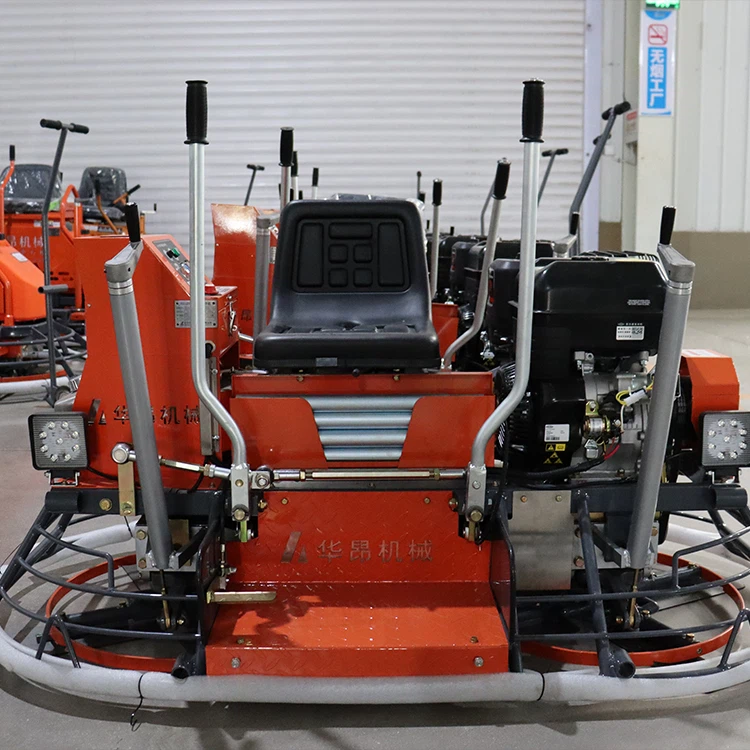
Operator Trowel
An Operator Trowel is a smaller, more maneuverable trowel. It is often used for detailed work and can be useful for getting into tight corners and edges when removing paint. The smaller blade allows for greater precision, making it easier to target specific areas of paint that need to be removed.

Tips for Using Trowels for Paint Removal
If you decide to use a trowel for paint removal, here are some tips to ensure effective and safe operation:
- Prepare the Surface: Before starting, clean the surface to remove any dirt, dust, or debris. This will help the trowel make better contact with the paint and prevent scratching of the surface.
- Wear Protective Gear: Paint removal can generate dust and debris, so it's important to wear protective gear such as safety glasses, a dust mask, and gloves.
- Use the Right Technique: Hold the trowel at a low angle to the surface to minimize the risk of gouging. Apply firm, even pressure as you scrape the paint. Work in small sections to ensure thorough removal.
- Combine with Other Methods: As mentioned earlier, if the paint is firmly adhered, consider using a chemical stripper or a heat gun to loosen it before using the trowel. This will make the scraping process easier and more efficient.
- Clean the Trowel Regularly: As you scrape, paint and debris will accumulate on the trowel blade. Clean the blade regularly to maintain its effectiveness.
Advantages and Disadvantages of Using Trowels for Paint Removal
Advantages
- Cost - Effective: Trowels are relatively inexpensive compared to some specialized paint removal tools. If you already have a trowel on hand, you can use it for paint removal without having to purchase additional equipment.
- Versatility: In addition to paint removal, trowels can be used for other tasks such as plastering, tiling, and concrete work. This makes them a multi - purpose tool that can be useful in a variety of DIY and professional projects.
- Physical Control: Using a trowel gives you direct physical control over the paint removal process. You can feel the resistance of the paint and adjust your pressure and technique accordingly.
Disadvantages
- Limited Effectiveness: Trowels are not suitable for removing all types of paint or paint that is firmly adhered to the surface. In some cases, they may only be able to remove the top layer of paint, leaving behind a stubborn base layer.
- Surface Damage Risk: As mentioned earlier, using a trowel on soft surfaces can cause damage. This may require additional time and effort to repair the surface after paint removal.
- Labor - Intensive: Scraping paint with a trowel can be a time - consuming and physically demanding task, especially for large areas.
Conclusion
In conclusion, trowels can be a useful tool for removing old paint, especially on hard, flat surfaces and for loose or peeling paint. While they have some limitations, they offer a cost - effective and versatile option for DIYers and professionals alike. If you're considering using trowels for paint removal, make sure to choose the right type of trowel for the job and follow the tips outlined in this post.
As a trowel supplier, I'm committed to providing high - quality trowels that meet the needs of various applications, including paint removal. If you're interested in purchasing trowels for your paint removal project or any other task, I encourage you to contact me for a discussion. I can help you select the most suitable trowels based on your specific requirements and provide guidance on their proper use.
References
- "Handbook of Painting and Decorating" by Frank R. Rybold
- "The Complete Guide to DIY Home Repairs" by DIY Experts Association