

Hey there! As a trowels supplier, I've seen all kinds of trowels, and one of the most important ones in the tiling world is the tiler's trowel. In this blog, I'm gonna talk about the specific design of a tiler's trowel.
First off, let's understand what a tiler's trowel is for. It's a tool used by tile installers to apply adhesive or mortar to a surface before laying tiles. The design of the trowel is crucial because it directly affects how well the adhesive is spread, which in turn impacts the quality of the tile installation.
One of the key features of a tiler's trowel is the blade. The blade is usually made of stainless steel or carbon steel. Stainless steel blades are great because they're corrosion - resistant. They won't rust even if they get wet, which is a common situation when working with tile adhesives. Carbon steel blades, on the other hand, are very strong and can hold an edge well. They're often used for heavy - duty tiling jobs.
The shape of the blade also matters. Most tiler's trowels have a rectangular blade. This shape allows for a wide area of coverage when spreading the adhesive. Some trowels have a notched blade. The notches come in different sizes and shapes, like square, V - shaped, or U - shaped. The size of the notches is chosen based on the size of the tiles being installed. For smaller tiles, smaller notches are used, while larger tiles require larger notches. The notches help to create ridges in the adhesive, which allows for better adhesion between the tile and the surface.
Another important part of the trowel is the handle. The handle needs to be comfortable to hold for long periods of time. Many trowels have ergonomic handles that are designed to fit the natural shape of the hand. This reduces fatigue and makes it easier for the tiler to work. Some handles are made of plastic, which is lightweight and easy to clean. Others are made of wood, which gives a more traditional feel and can be quite comfortable.
Now, let's talk about some specific types of trowels. There's the Horizontal Trowel. This type of trowel is designed for horizontal surfaces. It has a flat blade that's great for spreading adhesive evenly on floors or countertops. The horizontal trowel is a staple in any tiler's toolkit.
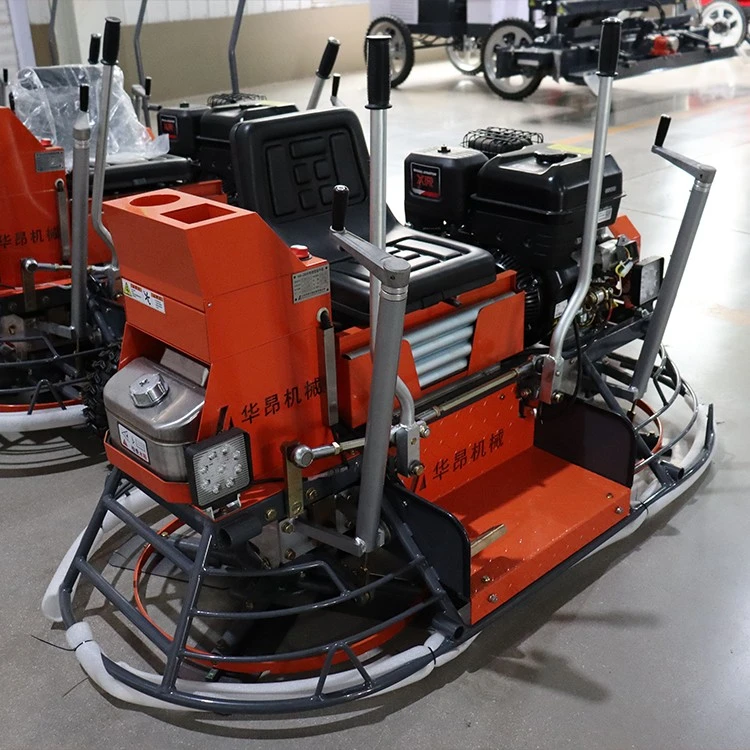
Then there's the Operator Trowel. This trowel is a bit more specialized. It's often used for more precise work, like installing tiles in tight spaces or around corners. The operator trowel usually has a smaller blade and a more delicate design, which allows for better control.
The size of the trowel is also an important factor. Trowels come in different sizes, and the size you choose depends on the job at hand. For small tiling projects, a smaller trowel might be sufficient. But for larger projects, like tiling an entire floor, a larger trowel will save time and effort.
The edge of the trowel is another aspect of its design. A sharp edge can help to cut through the adhesive easily, while a rounded edge might be better for smoothing out the adhesive. Some trowels have a beveled edge, which can be useful for getting into tight spaces.
In addition to the physical design, the finish of the trowel is also important. A smooth finish on the blade can prevent the adhesive from sticking to it, making it easier to clean. Some trowels have a non - stick coating, which further reduces the amount of adhesive that clings to the blade.
When it comes to choosing the right tiler's trowel, it's not just about the design. You also need to consider the quality of the materials. A high - quality trowel will last longer and perform better. As a trowels supplier, I always recommend investing in a good trowel. It might cost a bit more upfront, but it'll save you money in the long run because you won't have to replace it as often.
If you're in the market for tiler's trowels, whether you're a professional tiler or a DIY enthusiast, we've got a wide range of options to suit your needs. Our trowels are made from high - quality materials and are designed with the latest technology to ensure the best performance.
If you're interested in purchasing our trowels or have any questions about our products, feel free to reach out. We're here to help you find the perfect trowel for your tiling project. We can provide you with detailed information about each trowel, including its design features and recommended uses.

In conclusion, the design of a tiler's trowel is a combination of many factors, from the blade material and shape to the handle design and edge finish. Each aspect is carefully considered to make the trowel as effective and user - friendly as possible. Whether you're a professional tiler or just starting out with tiling, having the right trowel can make a big difference in the quality of your work. So, don't hesitate to get in touch if you're looking for a great tiler's trowel.
References:
- Tile Installation Handbook: A guide on the tools and techniques for tile installation.
- Trowel Manufacturer's Specifications: Information provided by trowel manufacturers about their products' design and features.