

In the world of construction and masonry, the right tools can make all the difference. One such essential tool is the Operator Trowel. Over the years, the demand for more versatile and efficient tools has been on the rise, leading to the question: Are there Operator Trowels with multi - purpose blades? As a supplier of Operator Trowels, I'm here to delve into this topic and provide some insights.
The Basics of Operator Trowels
Operator Trowels are a staple in the construction industry. They are used for a variety of tasks, including spreading, leveling, and smoothing materials like mortar, plaster, and concrete. These trowels typically consist of a blade and a handle. The blade is designed to come into contact with the material being worked on, while the handle provides a comfortable grip for the user.
Traditional Operator Trowels have single - purpose blades. For example, a trowel used for bricklaying might have a specific shape and edge design that is optimized for applying mortar between bricks. Similarly, a trowel used for plastering will have a blade that is more suitable for spreading and smoothing plaster on walls.
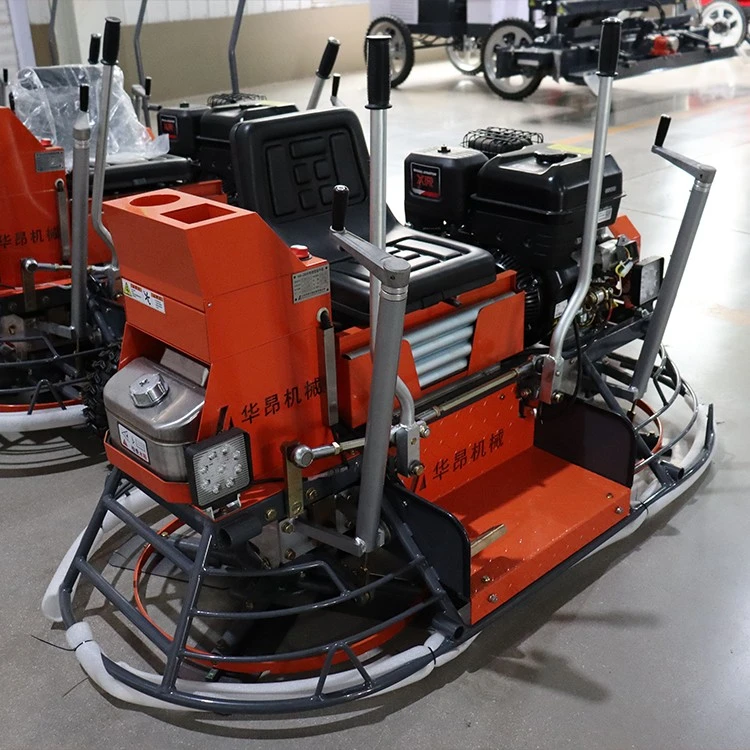

The Need for Multi - Purpose Blades
In recent times, the construction industry has seen a shift towards more efficient and cost - effective solutions. Workers are often required to perform multiple tasks on a single job site, and carrying a different trowel for each task can be cumbersome and expensive. This is where the idea of multi - purpose blades for Operator Trowels comes into play.
A multi - purpose blade could potentially combine the functions of several different trowels. For instance, it could be designed to spread mortar, smooth plaster, and even cut through some lightweight materials. This would not only reduce the number of tools a worker needs to carry but also save time and money in the long run.
Current Market Offerings
As a supplier, I've noticed that there is indeed a growing market for Operator Trowels with multi - purpose blades. Some manufacturers have started to develop innovative blade designs that can perform multiple functions. These blades are often made from high - quality materials that can withstand the rigors of different tasks.
One example of a multi - purpose blade is a blade that has a serrated edge on one side and a smooth edge on the other. The serrated edge can be used for rough spreading and breaking up clumps of material, while the smooth edge is ideal for finishing and smoothing. Another design might feature a blade with different shapes at each end, allowing it to be used for different types of applications.
Advantages of Multi - Purpose Blades
The advantages of using Operator Trowels with multi - purpose blades are numerous. Firstly, as mentioned earlier, it reduces the need for carrying multiple tools. This means less weight for the worker to carry around the job site, which can lead to increased productivity and less fatigue.
Secondly, it can save costs. Instead of buying several different trowels, a worker can invest in a single trowel with a multi - purpose blade. This is especially beneficial for small construction companies or individual contractors who are looking to keep their tool costs down.
Thirdly, multi - purpose blades can offer greater flexibility. Workers can quickly switch between different tasks without having to search for the right tool. This can lead to a more efficient workflow and faster completion of projects.
Challenges and Limitations
However, it's important to note that there are also some challenges and limitations associated with multi - purpose blades. One of the main challenges is that a blade that tries to do too many things may not perform any single task as well as a dedicated trowel. For example, a multi - purpose blade may not be as precise as a specialized bricklaying trowel when it comes to applying mortar between bricks.
Another limitation is the durability of the blade. Since it is being used for multiple tasks, it may wear out faster than a single - purpose blade. This means that workers may need to replace the blade more frequently, which can add to the overall cost.
The Role of Horizontal Trowel in the Context
The Horizontal Trowel is another type of trowel commonly used in construction. While it has its own specific functions, the concept of multi - purpose blades can also be applied to horizontal trowels. A horizontal trowel with a multi - purpose blade could be used for tasks such as spreading materials horizontally, leveling surfaces, and even some light scraping.
This shows that the idea of multi - purpose blades is not limited to Operator Trowels but can be extended to other types of trowels as well, further enhancing the versatility of tools in the construction industry.
Future Developments
Looking ahead, the future of Operator Trowels with multi - purpose blades seems promising. As technology advances, we can expect to see even more innovative blade designs. For example, there could be blades made from self - sharpening materials or blades with adjustable edges that can be customized for different tasks.
Manufacturers are also likely to focus on improving the durability of multi - purpose blades. This could involve using advanced materials or new manufacturing processes to ensure that the blades can withstand the demands of multiple tasks without wearing out too quickly.
Conclusion
In conclusion, there are indeed Operator Trowels with multi - purpose blades available in the market. These trowels offer several advantages, such as reduced tool carrying, cost savings, and increased flexibility. However, they also come with some challenges and limitations.
As a supplier of Operator Trowels, I'm excited about the potential of multi - purpose blades. I believe that they have the ability to transform the way construction workers approach their tasks. If you're in the construction industry and are looking for more efficient and versatile tools, I encourage you to consider Operator Trowels with multi - purpose blades.
If you're interested in learning more about our range of Operator Trowels, including those with multi - purpose blades, or if you'd like to discuss a potential purchase, please feel free to reach out. We're always happy to assist you in finding the right tools for your needs.
References
- Construction Tools Handbook, 3rd Edition
- Journal of Construction Technology and Innovation, Vol. 15, Issue 2
- Masonry Magazine, April 2023