

Corrosion resistance is a crucial property for any tool, especially those used in various industrial and construction environments. As a supplier of Horizontal Trowel, I have a deep understanding of the importance of corrosion resistance in horizontal trowels. In this blog, I will explore what corrosion resistance means for a horizontal trowel, the factors that affect it, and how we ensure our trowels offer excellent corrosion - resistant performance.
What is Corrosion Resistance?
Corrosion is a natural process that occurs when a metal reacts with its environment, typically oxygen and moisture, leading to the deterioration of the metal's properties. Corrosion resistance, therefore, is the ability of a material to withstand this process and maintain its integrity over time. For a horizontal trowel, which is often used in wet or humid conditions, corrosion resistance is essential to ensure its longevity and functionality.
When a horizontal trowel corrodes, several problems can arise. The blade may become dull, making it less effective at spreading and smoothing materials such as plaster, mortar, or concrete. Rust can also cause the trowel to become rough, which may damage the surface being worked on. In addition, corroded parts can break off, posing a safety hazard to the operator.

Factors Affecting the Corrosion Resistance of Horizontal Trowels
Material Selection
The choice of material is the most fundamental factor influencing the corrosion resistance of a horizontal trowel. High - quality stainless steel is a popular choice for trowel blades. Stainless steel contains chromium, which forms a thin, protective oxide layer on the surface of the metal. This layer acts as a barrier, preventing oxygen and moisture from reaching the underlying metal and thus inhibiting corrosion.
For example, 304 stainless steel, which contains about 18% chromium and 8% nickel, offers good general corrosion resistance. It is suitable for most common applications where the trowel is exposed to normal levels of moisture and mild chemicals. For more demanding environments, such as those with high salt content or exposure to strong acids and alkalis, 316 stainless steel may be used. 316 stainless steel has a higher molybdenum content, which enhances its resistance to pitting and crevice corrosion.
Surface Treatment
Surface treatments can further improve the corrosion resistance of horizontal trowels. One common surface treatment is passivation. Passivation is a chemical process that removes free iron from the surface of stainless steel and enhances the formation of the protective oxide layer. This process can significantly increase the trowel's resistance to corrosion, especially in environments with low - level contaminants.
Another surface treatment option is coating. Some trowels are coated with materials such as PTFE (polytetrafluoroethylene), which not only provides a non - stick surface but also offers additional protection against corrosion. The coating acts as a physical barrier, preventing direct contact between the metal and the corrosive environment.
Design and Manufacturing
The design and manufacturing process of a horizontal trowel can also impact its corrosion resistance. A well - designed trowel should have smooth edges and surfaces to prevent the accumulation of moisture and debris. Sharp corners and crevices can trap water and contaminants, creating an environment where corrosion is more likely to occur.
During the manufacturing process, proper welding and finishing are crucial. Welds should be smooth and free of defects, as uneven welds can be more susceptible to corrosion. Additionally, any burrs or rough spots on the trowel should be removed to ensure a uniform surface that is less prone to corrosion.
Testing the Corrosion Resistance of Horizontal Trowels
As a supplier, we conduct rigorous testing to ensure that our horizontal trowels meet high standards of corrosion resistance. One common test is the salt spray test. In this test, the trowel is placed in a chamber where it is exposed to a fine mist of saltwater for a specified period. After the test, the trowel is examined for signs of corrosion, such as rust spots or pitting.
We also perform immersion tests, where the trowel is submerged in various corrosive solutions, such as acid or alkaline solutions, for a set time. This test simulates more extreme conditions that the trowel may encounter in real - world applications. By analyzing the results of these tests, we can determine the trowel's resistance to different types of corrosion and make improvements to the material, surface treatment, or design if necessary.
The Importance of Corrosion Resistance in Different Applications
Construction Industry
In the construction industry, horizontal trowels are used for tasks such as plastering walls, laying tiles, and finishing concrete surfaces. These tasks often involve working in wet or humid environments, where the trowel is exposed to water, cement dust, and various chemicals. A trowel with good corrosion resistance will last longer, reducing the need for frequent replacements. This not only saves costs but also ensures consistent performance on the job site.
Industrial Applications
In industrial settings, horizontal trowels may be used in chemical plants, food processing facilities, or marine environments. In chemical plants, the trowel may come into contact with strong acids or alkalis, which can cause rapid corrosion if the trowel is not properly protected. In food processing facilities, corrosion can contaminate the food products, posing a health risk. In marine environments, the high salt content in the air and water can accelerate the corrosion process. Therefore, corrosion - resistant horizontal trowels are essential in these industrial applications.
Our Commitment as a Horizontal Trowel Supplier
As a supplier of Horizontal Trowel, we are committed to providing our customers with trowels that offer excellent corrosion resistance. We source high - quality materials from trusted suppliers and use advanced manufacturing techniques to ensure the durability of our products.
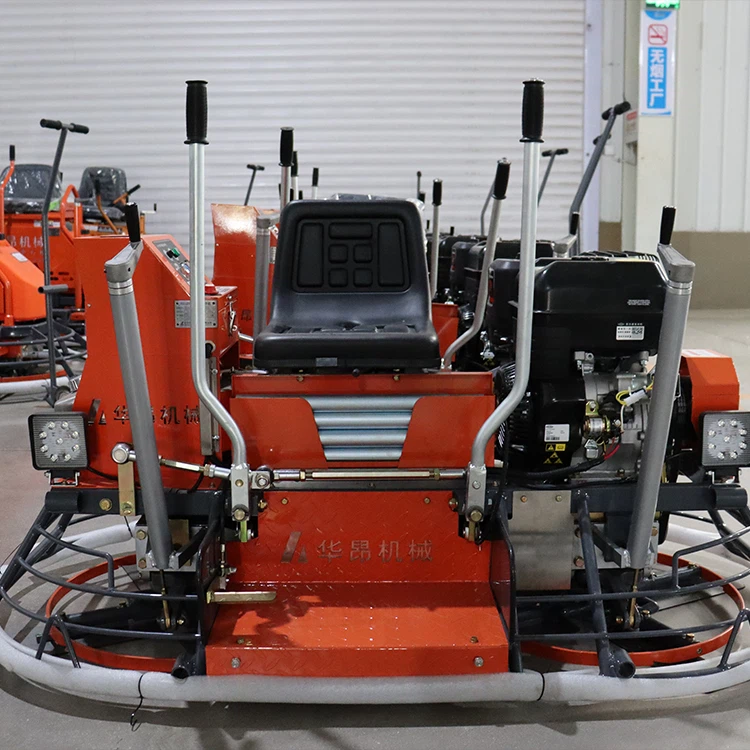
We also offer a range of Operator Trowel options, each designed to meet the specific needs of different applications. Whether you are a professional contractor in the construction industry or an operator in an industrial facility, we have the right trowel for you.
If you are interested in our horizontal trowels and would like to discuss your procurement needs, please feel free to reach out to us. We are ready to provide you with detailed product information, samples, and competitive pricing. Our team of experts is also available to offer technical support and advice on choosing the most suitable trowel for your application.
References
-ASM Handbook Volume 13A: Corrosion: Fundamentals, Testing, and Protection. ASM International.
- Stainless Steel for Design Engineers. The Nickel Institute.
- Corrosion Testing and Evaluation: Experimental Design and Statistical Analysis. ASTM International.