

Hey there! As a grinder supplier, I often get asked a bunch of questions about what our grinders can and can't do. One question that's popped up more than a few times lately is, "Can a grinder be used for grinding leather?" Well, let's dig into this topic and find out.
First off, let's talk about what grinders are typically used for. Most people think of grinders as tools for working with metal, stone, or wood. They're great for shaping, smoothing, and removing material from these hard surfaces. But leather is a whole different ballgame. It's soft, flexible, and has a unique texture compared to those other materials.
So, can you use a grinder on leather? The short answer is yes, but with some big caveats. You see, not all grinders are created equal, and using the wrong one on leather can lead to a hot mess. The key is to find a grinder that can handle the delicate nature of leather without causing too much damage.
Let's start by looking at the type of grinder you'd need. A belt grinder might be a good option. Belt grinders use a continuous loop of abrasive belt to grind the material. They offer a smooth and consistent grinding action, which is important when working with leather. The belt can be adjusted to different speeds and pressures, allowing you to have more control over the grinding process.
For example, our 700 Grinder is a powerful machine that can be adjusted to a wide range of speeds. This flexibility makes it suitable for different types of leather, from thin, soft leather to thicker, more durable hides. The adjustable speed feature means you can start with a slower speed for more delicate work and then increase it as needed for tougher jobs.

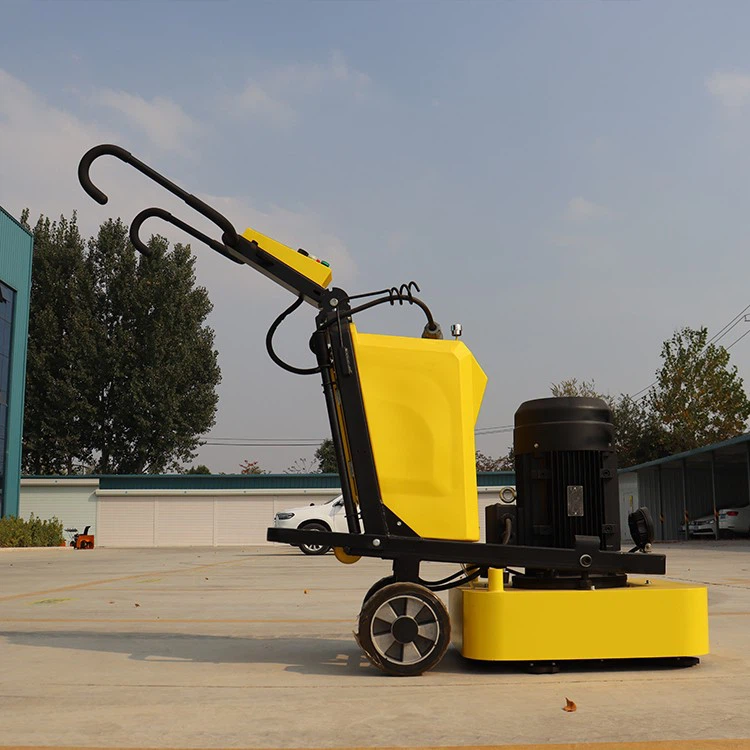
Another option is a disc grinder. Disc grinders use a rotating abrasive disc to grind the material. They're often more compact and easier to handle than belt grinders, which can be an advantage when working on smaller pieces of leather. Our 630 Grinder is a great example of a disc grinder that can be used for leather work. It has a high - quality disc that provides a smooth and even grinding surface.
Now, let's talk about the process of grinding leather. When you're grinding leather, you need to be really careful. Leather is prone to heat damage, and if you grind it too fast or with too much pressure, it can start to burn or melt. This will not only ruin the look of the leather but also weaken its structure.
Before you start grinding, it's a good idea to mark the areas you want to work on. This will help you stay focused and avoid accidentally grinding the wrong parts. You should also use a light touch when you first start. Let the grinder do the work, and don't force it. As you get more comfortable with the process, you can gradually increase the pressure and speed.
It's also important to use the right abrasive for leather. A fine - grit abrasive is usually the best choice. This will give you a smooth finish without scratching or damaging the leather. You can find different types of abrasive belts and discs specifically designed for leather work.
One of the benefits of grinding leather is that it can give the leather a unique look and feel. You can create different textures and finishes, from a smooth, polished look to a more rustic, distressed appearance. This can be really useful for leather artisans who want to add a personal touch to their products.
However, grinding leather isn't without its challenges. One of the biggest challenges is dust. Leather dust can be a health hazard if inhaled, so it's important to wear a dust mask and work in a well - ventilated area. You should also clean up the dust regularly to prevent it from building up and causing problems.
Another challenge is that leather can be difficult to hold in place while you're grinding. You might need to use clamps or other holding devices to keep the leather steady. This can take some practice, but once you get the hang of it, you'll be able to work more efficiently.
In conclusion, while it's possible to use a grinder for grinding leather, it's not something that should be done without careful consideration. You need to choose the right grinder, use the right abrasive, and follow the proper safety procedures. If you're new to leather grinding, it might be a good idea to start with some scrap leather to practice on.
If you're interested in purchasing a grinder for leather work or have any questions about our products, we'd love to hear from you. We're here to help you find the perfect grinder for your needs. Whether you're a professional leatherworker or a hobbyist, we have the tools and expertise to support you. So, don't hesitate to reach out and start a conversation about your grinder requirements.
References
- Leather Crafting 101: A Guide to Working with Leather. An in - house publication on leather working techniques.
- Industrial Grinder Handbook: Understanding Grinder Types and Applications. A technical manual on grinder features and uses.