

The grinding consistency of a grinder is a crucial parameter that significantly impacts the quality and efficiency of the grinding process. As a seasoned grinder supplier, I have witnessed firsthand the importance of understanding and optimizing this aspect. In this blog post, I will delve into what grinding consistency means, its influencing factors, and how our grinders, such as the 630 Grinder and 700 Grinder, are designed to achieve excellent grinding consistency.
What is Grinding Consistency?
Grinding consistency refers to the uniformity of the grinding results during the operation of a grinder. It encompasses several aspects, including the particle size distribution of the ground material, the surface finish of the ground products, and the stability of the grinding process over time. A grinder with high grinding consistency can produce products with consistent quality, which is essential for many industries, such as food processing, pharmaceuticals, and manufacturing.
In the food industry, for example, consistent particle size is crucial for ensuring the texture and taste of the final products. If the particle size varies too much, it can lead to uneven cooking, poor mouthfeel, and inconsistent flavor. In the pharmaceutical industry, precise grinding consistency is necessary to ensure the bioavailability and efficacy of drugs. A grinder that can maintain a stable grinding consistency helps to produce drugs with accurate dosages and reliable performance.
Influencing Factors of Grinding Consistency
Several factors can affect the grinding consistency of a grinder. Understanding these factors is key to optimizing the grinding process and achieving the desired results.
1. Grinding Media
The type, size, and shape of the grinding media play a significant role in determining the grinding consistency. Different grinding media have different hardness, density, and wear resistance, which can affect the grinding efficiency and the particle size distribution of the ground material. For example, ceramic beads are often used for fine grinding due to their high hardness and low wear rate, while steel balls are suitable for coarser grinding applications.
The size of the grinding media also matters. Smaller grinding media can produce finer particles, but they may also have a lower grinding efficiency. Therefore, it is necessary to select the appropriate size of grinding media based on the desired particle size and the characteristics of the material to be ground.

2. Rotational Speed
The rotational speed of the grinder is another important factor that affects grinding consistency. A higher rotational speed generally leads to a higher grinding efficiency, but it can also cause excessive heat generation and wear of the grinding media. On the other hand, a lower rotational speed may result in a longer grinding time and a less uniform particle size distribution. Therefore, it is crucial to find the optimal rotational speed for each specific grinding application to achieve the best grinding consistency.
3. Feed Rate
The feed rate of the material to be ground also has an impact on grinding consistency. If the feed rate is too high, the grinder may not be able to grind the material effectively, resulting in a non - uniform particle size distribution. Conversely, if the feed rate is too low, it can lead to inefficient use of the grinder and increased production costs. Therefore, a proper feed rate needs to be maintained to ensure consistent grinding results.
4. Material Properties
The properties of the material being ground, such as hardness, moisture content, and viscosity, can also affect the grinding consistency. Harder materials require more energy to grind and may need a different type of grinding media or a higher rotational speed. Materials with high moisture content or viscosity can cause clogging in the grinder, which can disrupt the grinding process and lead to inconsistent results.
How Our Grinders Ensure Grinding Consistency
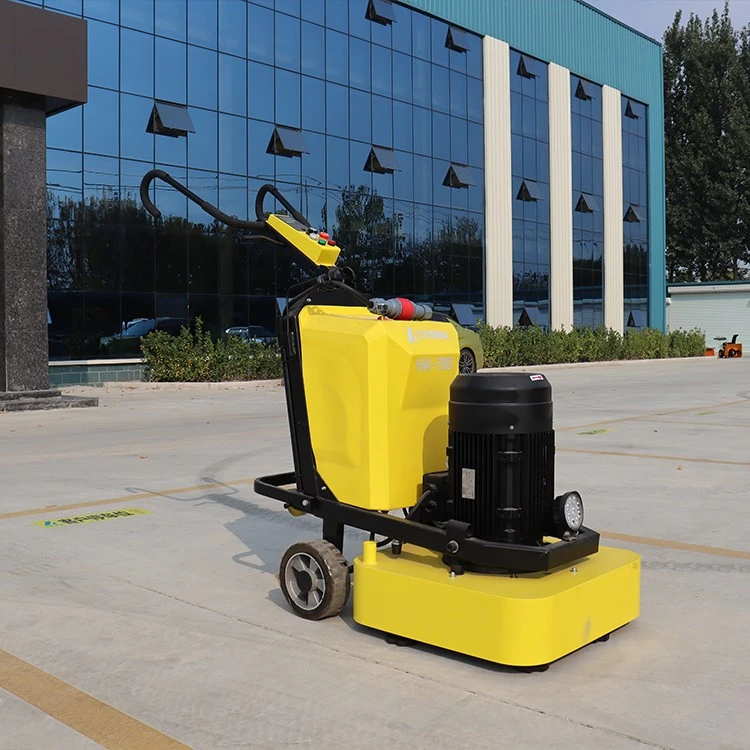
At our company, we are committed to providing grinders that offer excellent grinding consistency. Our 630 Grinder and 700 Grinder are designed with advanced technologies and high - quality components to address the influencing factors mentioned above.
1. Precise Grinding Media Selection
We offer a wide range of grinding media options to meet the diverse needs of our customers. Our technical team can help customers select the most suitable grinding media based on the material properties and the desired particle size. By using the right grinding media, our grinders can achieve a more uniform particle size distribution and better grinding consistency.
2. Adjustable Rotational Speed
Both the 630 Grinder and 700 Grinder are equipped with adjustable rotational speed controls. This allows customers to optimize the grinding process according to the specific requirements of their materials. Whether it is a fine - grinding or a coarse - grinding application, our grinders can be adjusted to the most appropriate rotational speed to ensure consistent and efficient grinding.
3. Feed Rate Control
Our grinders are designed with a precise feed rate control system. This system helps to maintain a stable feed rate, ensuring that the material is evenly fed into the grinding chamber. By controlling the feed rate, we can prevent over - feeding or under - feeding, which are common causes of inconsistent grinding results.
4. Robust Construction and High - Quality Components
We use high - quality materials and advanced manufacturing processes to build our grinders. The robust construction of our grinders ensures their stability and reliability during operation. The components, such as the grinding chamber and the drive system, are designed to minimize wear and tear, which helps to maintain the grinding consistency over a long period of time.
Case Studies
To illustrate the effectiveness of our grinders in achieving grinding consistency, let's take a look at some case studies.
Case 1: Food Processing Company
A food processing company was struggling with inconsistent particle size in their spice grinding process. They were using a traditional grinder that could not produce a uniform particle size, which affected the flavor and texture of their final products. After switching to our 630 Grinder, they were able to achieve a much more consistent particle size distribution. The adjustable rotational speed and the precise feed rate control of our grinder allowed them to optimize the grinding process for their specific spice blends. As a result, their products had a more uniform flavor and texture, which led to increased customer satisfaction and sales.
Case 2: Pharmaceutical Manufacturer
A pharmaceutical manufacturer needed to produce a drug with a very precise particle size for better bioavailability. They were facing challenges with the consistency of their current grinding equipment. Our 700 Grinder was recommended to them. With its advanced grinding technology and high - quality grinding media, the grinder was able to produce the drug particles with a highly consistent size. This helped the manufacturer to meet the strict quality standards of the pharmaceutical industry and ensure the efficacy of their drugs.
Contact Us for Grinding Solutions
If you are looking for a grinder that can provide excellent grinding consistency, we are here to help. Our team of experts can work with you to understand your specific requirements and recommend the most suitable grinder for your application. Whether you are in the food, pharmaceutical, or manufacturing industry, our grinders, such as the 630 Grinder and 700 Grinder, are designed to meet your needs.
Contact us today to start a discussion about your grinding requirements. We look forward to partnering with you to achieve the best grinding results.
References
- Smith, J. (2018). Grinding Technology: Theory and Applications of Machining with Abrasives. CRC Press.
- Brown, A. (2019). Handbook of Powder Technology. Elsevier.
- Johnson, R. (2020). Particle Size Analysis in the Pharmaceutical Industry. Pharmaceutical Technology.