

Hey there! I'm a supplier of three-roller pavers, and I've been in this business for quite a while. One question that often comes up from our customers is about the influence of the paving thickness on the compaction efficiency of a three-roller paver. So, let's dive right into it and break down this topic.
First off, what's a three-roller paver? Well, it's a pretty nifty piece of equipment used in construction projects, especially for paving surfaces like roads, parking lots, and sidewalks. The Gz411 Three-roller Paver [/three-roller-paver/gz411-three-roller-paver.html] is one of our top - selling models. It's known for its reliability and high - performance capabilities.
Now, let's talk about paving thickness. The thickness at which you pave can have a huge impact on how well the three - roller paver can compact the material. When we're dealing with thin paving layers, say less than 50 mm, the compaction process is generally a bit easier. The rollers of the paver can more effectively transfer the compaction force to the entire layer.
Thin layers have less mass to compact, so the energy from the rollers can penetrate through the material more easily. This means that you can achieve a higher degree of compaction in a shorter amount of time. For example, if you're using the Gz411 Three - roller Paver on a thin layer, you'll notice that the surface becomes smooth and well - compacted after just a few passes of the paver. The density of the compacted material is also more consistent across the layer, which is great for the long - term durability of the pavement.
On the other hand, when we start looking at thicker paving layers, things get a bit more complicated. If you're paving a layer that's over 100 mm thick, the compaction efficiency starts to drop. The main issue here is that the compaction force from the rollers has a harder time reaching the bottom of the thick layer. The upper part of the layer might get well - compacted, but the lower part could still be relatively loose.
This uneven compaction can lead to all sorts of problems. For instance, the pavement might be more prone to cracking and rutting over time. The lack of proper compaction at the bottom can also reduce the overall load - bearing capacity of the pavement. So, when using a three - roller paver for thick layers, you might need to make more passes with the paver to try and achieve better compaction throughout the entire thickness.
Another factor to consider is the type of material being paved. Different materials have different compaction characteristics. For example, asphalt is generally easier to compact than some types of concrete. If you're using a three - roller paver to lay asphalt, the thickness - compaction relationship is still important, but asphalt tends to flow and compact more readily under the pressure of the rollers.
Concrete, on the other hand, is a bit more finicky. Thicker concrete layers require more careful attention to compaction. The Gz411 Three - roller Paver can handle both asphalt and concrete, but you'll need to adjust your paving and compaction techniques depending on the material and the thickness.
Let's also think about the speed of the paver. When dealing with thin layers, you can usually run the paver at a slightly faster speed because the compaction is quicker. But for thick layers, you'll need to slow down the paver. This gives the rollers more time to apply the compaction force and helps to ensure that the entire layer gets properly compacted.
In addition to the compaction efficiency, the paving thickness also affects the wear and tear on the three - roller paver. When paving thick layers, the paver has to work harder. The rollers are under more stress, and the engine has to generate more power to move the machine forward. This means that you might need to do more maintenance on the paver when working with thick layers.
Now, how can we optimize the compaction efficiency for different paving thicknesses? Well, for thin layers, you can focus on getting the right speed and vibration settings on the paver. The Gz411 Three - roller Paver has adjustable vibration settings, which can be really useful for fine - tuning the compaction process. You can also use a thinner screed plate to ensure a more even distribution of the material during paving.
For thick layers, pre - compaction can be a great strategy. You can use a vibrating plate compactor or a roller compactor before running the three - roller paver. This helps to reduce the amount of work the paver has to do and improves the overall compaction quality. You might also want to consider using a thicker screed plate to better handle the larger volume of material.
As a three - roller paver supplier, I've seen firsthand how important it is to understand the relationship between paving thickness and compaction efficiency. Our customers who take the time to learn these details end up with better - quality pavements and fewer problems down the road.
If you're in the market for a three - roller paver or have any questions about how to optimize your paving process, don't hesitate to reach out. We're here to help you make the most of your construction projects. Whether you're paving a small driveway or a large highway, the right knowledge and equipment can make all the difference.

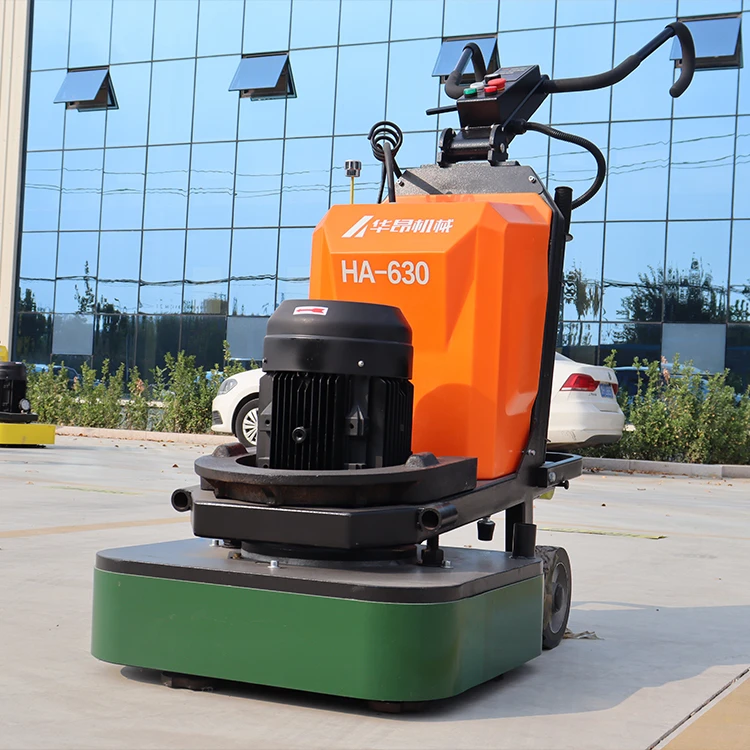
So, if you're interested in learning more about our Gz411 Three - roller Paver [/three-roller-paver/gz411-three-roller-paver.html] or other models we offer, just get in touch. We can provide you with all the information you need and even set up a demonstration if you'd like. Let's work together to get your paving projects done right!
References
- Construction Equipment Handbook: Covers general information about paving equipment and compaction processes.
- Journal of Civil Engineering and Construction Technology: Contains research on the effects of paving thickness on compaction.