

What is the lifespan of a grinder?
As a grinder supplier, I often get asked about the lifespan of grinders. It's a crucial question for both businesses and individuals who rely on these machines for various tasks. Understanding the factors that influence a grinder's lifespan can help users make informed decisions about their purchase, maintenance, and replacement.
The lifespan of a grinder can vary significantly depending on several key factors. These include the quality of the grinder, the frequency and intensity of use, the type of materials being ground, and the level of maintenance.
Quality of the Grinder
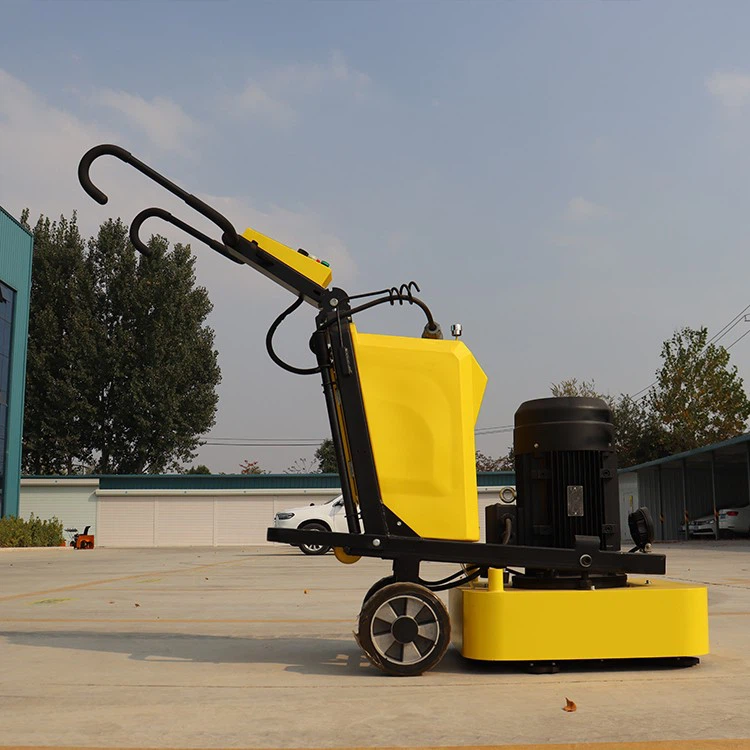
The quality of the grinder is perhaps the most significant factor in determining its lifespan. High - quality grinders are typically built with better materials and more precise manufacturing processes. They are designed to withstand the rigors of heavy - duty use and are less likely to break down prematurely. For example, grinders with high - grade motors and durable housing are more likely to last longer. When choosing a grinder, it's important to invest in a reputable brand that is known for its quality. Our 700 Grinder is a prime example of a high - quality grinder. It is built with top - of - the - line components, ensuring long - term reliability and performance.
Frequency and Intensity of Use
The frequency and intensity of use also play a major role in a grinder's lifespan. A grinder that is used continuously for long hours every day will naturally wear out faster than one that is used only occasionally. For instance, in a commercial setting where grinders are used to process large volumes of materials, the wear and tear on the machine will be much higher. On the other hand, a grinder used for small - scale home projects may last for many years. If you use your grinder intensively, it's important to schedule regular maintenance and inspections to catch any potential issues early.
Type of Materials Being Ground
The type of materials being ground can have a significant impact on the grinder's lifespan. Grinding hard and abrasive materials, such as metals or stones, will cause more wear on the grinder's components than grinding softer materials like wood or plastic. For example, when grinding metal, the abrasive nature of the material can quickly wear down the grinding wheel and other parts of the grinder. In contrast, grinding wood may not put as much stress on the machine. It's important to choose a grinder that is suitable for the specific materials you will be working with. Our 630 Grinder is designed to handle a wide range of materials, making it a versatile choice for different applications.

Level of Maintenance
Proper maintenance is essential for extending the lifespan of a grinder. Regular cleaning, lubrication, and inspection can prevent many common problems. For example, keeping the grinder clean helps prevent dust and debris from building up, which can cause damage to the motor and other components. Lubricating moving parts reduces friction and wear, while regular inspections can identify any signs of wear or damage early on. It's also important to replace worn - out parts promptly to avoid further damage to the grinder.
Average Lifespan
On average, a well - maintained grinder can last anywhere from 5 to 15 years. However, this is just a rough estimate, and the actual lifespan can be shorter or longer depending on the factors mentioned above. In a light - use home environment, a grinder may last 10 to 15 years or more. In a heavy - use commercial setting, the lifespan may be closer to 5 to 10 years.
Tips to Extend the Lifespan
- Follow the Manufacturer's Instructions: Always follow the manufacturer's guidelines for use, maintenance, and safety. This includes proper installation, operation, and cleaning procedures.
- Use the Right Grinding Wheel: Using the correct grinding wheel for the material being ground is crucial. A wheel that is not suitable for the material can cause excessive wear and damage to the grinder.
- Keep the Grinder Clean: Regularly clean the grinder to remove dust, debris, and other contaminants. This helps prevent damage to the motor and other components.
- Schedule Regular Maintenance: Set up a regular maintenance schedule for your grinder. This may include lubrication, inspection of parts, and replacement of worn - out components.
- Train Operators Properly: If multiple people are using the grinder, make sure they are properly trained on how to use it safely and effectively. Improper use can lead to premature wear and damage.
Conclusion
In conclusion, the lifespan of a grinder is influenced by multiple factors, including quality, frequency of use, type of materials, and maintenance. By understanding these factors and taking the necessary steps to care for your grinder, you can ensure that it lasts as long as possible. If you're in the market for a new grinder or need advice on grinder maintenance, don't hesitate to reach out. We're here to help you make the best choice for your needs and ensure that your grinder provides reliable performance for years to come. Whether you're a professional tradesperson or a DIY enthusiast, we have the right grinder for you. Contact us today to start a conversation about your grinder needs and explore our range of high - quality grinders.
References
- Engineering textbooks on machinery design and maintenance
- Industry reports on grinder performance and durability
- Manufacturer's documentation for various grinder models